The difference between different sizes of Microwave ceramic antennas
Different sizes of GNSS ceramic patch antennas
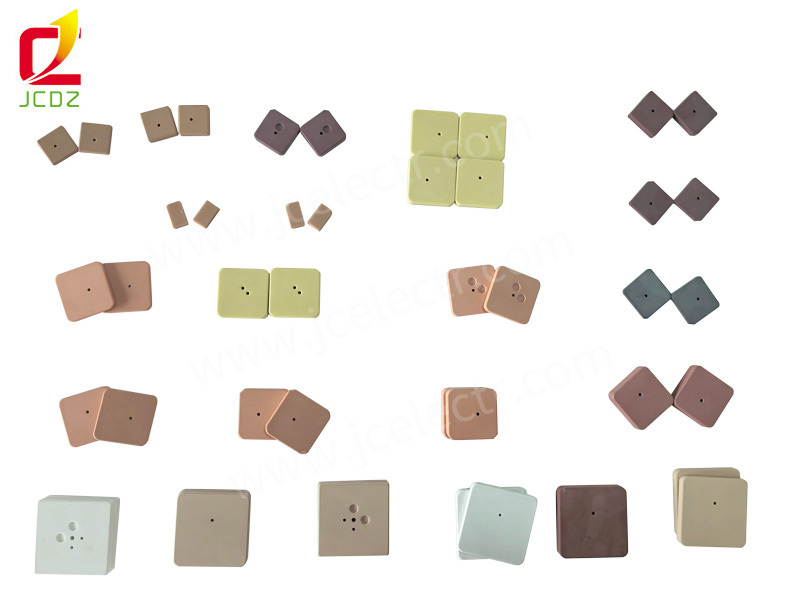
The difference between different sizes of microwave ceramic antennas is mainly reflected in their design and manufacturing process. Microwave ceramic antennas can be divided into block ceramic antennas and multi-layer ceramic antennas. Block ceramic antennas are usually completed by sintering the entire ceramic body at a high temperature, and then the metal part of the antenna is printed on the surface of the ceramic block; while multi-layer ceramic antennas are made by superimposing multiple layers of ceramics through low-temperature co-firing. After being sintered at high temperature, metal conductors can be printed on each layer of ceramic dielectric according to design needs.
Block ceramic antennas are larger in size and are often used in devices and applications that require larger sizes. For example, some large communication equipment or base stations may use bulk ceramic antennas. This antenna is relatively simple to design and manufacture, making it suitable for mass production .
Multilayer ceramic antennas are smaller in size and are often used in devices and applications that require miniaturization. For example, IoT products, Bluetooth devices, etc. may use multi-layer ceramic antennas. Due to its flexible design, it can effectively reduce the size of the antenna and is suitable for use in modules with low power consumption .
In addition, the size of a microwave ceramic antenna is also affected by its operating frequency and design requirements. Different application scenarios have different requirements for antenna size and performance, so designers will choose the appropriate antenna type and size based on specific needs.

TELEPHONE
18539195289

ADD
150 meters south of Provincial Highway 308, Boai County Jiaozuo City Henan Province , China .